
Storyworth is a memoir writing service and has been a popular choice for years. You buy a subscription, you get a weekly email, and after twelve months you get a printed book of your answers.
This is a solid idea, but it's not the right fit for every person or family that wants to write their story. If your mom keeps forgetting to open the email, or your dad would rather talk than type, one of these Storyworth alternatives might be a better option.
Let's look at what users say about Storyworth, the platforms that do it differently, and which platform fits if you want a thoughtful gift for older parents without the year-long homework schedule.
Storyworth.com Reviews: An Overview of the Platform
Storyworth has been around for over a decade, and it has earned its reputation. The prompts are well written, and the final product is a hardcover book you can hold. Reviewers often talk about how it feels to read their answers or their loved one's answers when the book is finally done.
But the same reviews point to recurring frustrations. The book design is standardized, so once you go past basic text edits and photo swaps, there isn't much room to personalize the layout.
And because the whole process depends on the storyteller actually opening the weekly email and typing a response, plenty of families report the project stalling out. That pattern, a subscription that only works if someone keeps up with it every week, is the single biggest reason people go looking for alternatives to Storyworth in the first place.
It's a fine way to collect family stories, but it asks a lot of people who may not want another deadline in their life.
What Storyworth does well
- Thoughtful weekly prompts
- Established platform
- Printed hardcover book
- Familiar process
Where families struggle
- Weekly commitment for a full year
- Storyteller has to keep opening emails
- Primarily writing-based
- Limited book customization
What to Look for in Alternatives to Storyworth
Before you sign up on a memoir platform, you should know what actually matters for your family. Here are some things to keep in mind:
Pace
Weekly schedule or self-paced?
A rigid schedule can help some storytellers but overwhelm others.
Input
Typing or talking?
Voice input can make storytelling substantially easier for older relatives.
Editing
Raw answers or polished memoir?
Some platforms simply collect responses while others help edit the final story.
Price
What does the package actually include?
Consider book copies, page limits, subscription length, and additional fees.
Pace: Some services lock you into weekly prompts for a full year. Others let the storyteller answer everything on their own schedule. If you or the person you're buying the subscription for are easily overwhelmed by deadlines, you need a platform that lets you work on your own time.
Input method: Typing works for some people. For others, especially those less comfortable with computers, talking is far easier than writing. A handful of these tools, including Memowrite, use voice-to-text input or phone calls instead of a web form, which removes the biggest barrier for elderly storytellers.
Editing process: Storyworth prints your answers close to as-is. Some of the services on this list have a team that proofreads and polishes the text, so grammar and structure aren't left entirely to the storyteller. Some go a step further with an AI interviewer that asks follow-up questions based on what was just said, which helps draw personal stories that a list of prompts would miss.
Pricing: Finally, weigh the price against what you actually get. How many books are included, how many pages, and whether extra copies cost extra.
The Best Storyworth Alternatives in 2026
Here are the top Storyworth alternatives available:
Memowrite
Best for flexible, self-paced family storytelling
Memowrite doesn't use a weekly email model at all. You get access to a full set of guided questions the moment you sign up, and you can answer them in whatever order you want and at whatever pace. There's no countdown and no guilt about missing deadlines.
You can answer the questions either by typing or by using the voice-to-text option. Older people who aren't very familiar with computers tend to prefer the speaking option.
Once you're done, you can add up to 100 photos, pick from several cover designs, and receive a professionally printed book shipped to your doorstep.
Families frequently use it to gift a grandparent's story before those cherished memories fade, and the platform is built with older, less tech-savvy users specifically in mind. Check out the full guide for details on how it works.
- Format
- Writing + voice-to-text
- Schedule
- Self-paced
- Starting price
- From $57
- Best for
- Older parents and grandparents
Why we like it
- No weekly deadline
- Speak or type answers
- Built-in editing
- Up to 100 photos
- Printed memoir
- Designed with less tech-savvy storytellers in mind
My Life in a Book
Best for collaborative family projects
My Life in a Book sends you a set of pre-selected questions that you answer by writing or voice-to-text, and you can swap out any prompt you don't like. It also offers optional add-ons Storyworth doesn't, including a short audiobook narration and a one-hour session with a professional writer.
You can add multiple family members as contributors on the same book, which makes it a workable option for adult children who want to collaborate on a parent's story together.
Where Memowrite differs from both is that it doesn't require a fixed weekly schedule and it offers a built-in editing pass on every answer. Storyworth and My Life in a Book ask the storyteller to do more of the writing work themselves, while Memowrite treats the writing as a joint effort between the storyteller and the team behind the platform.
- Format
- Writing + voice-to-text
- Schedule
- Weekly
- Starting price
- $99
- Best for
- Multiple family contributors

Remento
Best for voice and video memories
Remento is fully voice- and video-based. Storytellers get a prompt by text or email, record a short answer without logging into anything, and Remento turns that recording into a written story automatically. Every family member connected to the account gets both the audio and the text the moment it's submitted.
Plans run around $99 a year for one storyteller, a hardcover book up to 200 pages, and unlimited collaborators. While the voice-recording approach may appeal to some families, the annual subscription cost can be difficult to justify compared to one-time-purchase alternatives. The 200-page limit may also be restrictive for longer memoirs, and users looking for more control over the writing and editing process may find the guided format somewhat limiting.
- Format
- Voice + video
- Schedule
- Weekly
- Starting price
- Around $99/year
- Best for
- Families who value original recordings
StoriedLife
Best for conversational AI interviews
StoriedLife works through conversation instead of prompts. You talk to an AI biographer that asks natural questions and follow-up questions based on what you just said, then organizes everything into chapters.
Each finished story includes a QR code linking back to the original audio, allowing readers to hear the storyteller's voice alongside the written memories. However, this feature may have limited value for families primarily interested in a traditional printed memoir. While the conversational format can help uncover stories that might not emerge from a standard questionnaire, some users may prefer a more structured approach and greater control over the content and organization of the final book.
- Format
- AI conversation
- Schedule
- Self-paced
- Pricing
- App-based / varies
Tell Mel
Best for storytellers who prefer phone calls
Tell Mel uses a phone-call approach. An AI interviewer calls the storyteller for a 10–15 minute chat each week, no app or typing required, and turns the conversation into a written memoir chapter afterward.
While this simplicity can make the service accessible to less tech-savvy users, it may not appeal to those who prefer reviewing, editing, or structuring their stories as they go. Although it supports several languages beyond English, the experience still depends heavily on the quality of the AI-led conversations, which may not capture nuanced memories as effectively as a human interviewer or collaborative family project.
- Format
- AI phone interview
- Schedule
- Weekly calls
- Pricing
- Varies by package
Life-Story.AI
Best for long-form guided interviews
Life-Story.AI pairs the storyteller with an AI biographer for guided recording sessions, typically 10 to 20 hours spread across a handful of sittings. Plans range from a solo Starter tier to a Family tier that allows up to ten participants to contribute to one book.
While the structured interview process may appeal to some families, the significant time commitment can be a drawback compared to more flexible alternatives. In contrast, Memowrite allows storytellers to share memories at their own pace through shorter, ongoing conversations, making it easier to fit into busy schedules. The highly guided format of Life-Story.AI may also leave less room for spontaneous storytelling, whereas Memowrite's conversational approach is designed to uncover unexpected memories and personal details that can make a memoir feel more authentic and complete.
- Format
- Guided recording sessions
- Schedule
- Self-scheduled
- Pricing
- Tiered
Storyworth Competitors at a Glance
| Service | Format | Pace | Starting price |
|---|---|---|---|
| MemowriteOur pick | Written/voice-to-text, guided questions | Self-paced | From $57 |
| Storyworth | Written, email prompts | Weekly, 1 year | $59 |
| My Life in a Book | Written or voice-to-text | Weekly, 1 year | $99 |
| Remento | Voice or video | Weekly | $99 / year |
| StoriedLife | AI conversation | Self-paced | App-based, varies |
| Tell Mel | Phone interview | Weekly calls | Varies by package |
| Life-Story.AI | Guided recording sessions | Self-scheduled | Tiered plans |
Scroll the table sideways to see every column.
If you're building a family memory book and want the least amount of ongoing effort from the storyteller, self-paced options like Memowrite tend to work better than the weekly-prompt model most competitors still use.
Why More Families Are Choosing Memowrite Over Storyworth
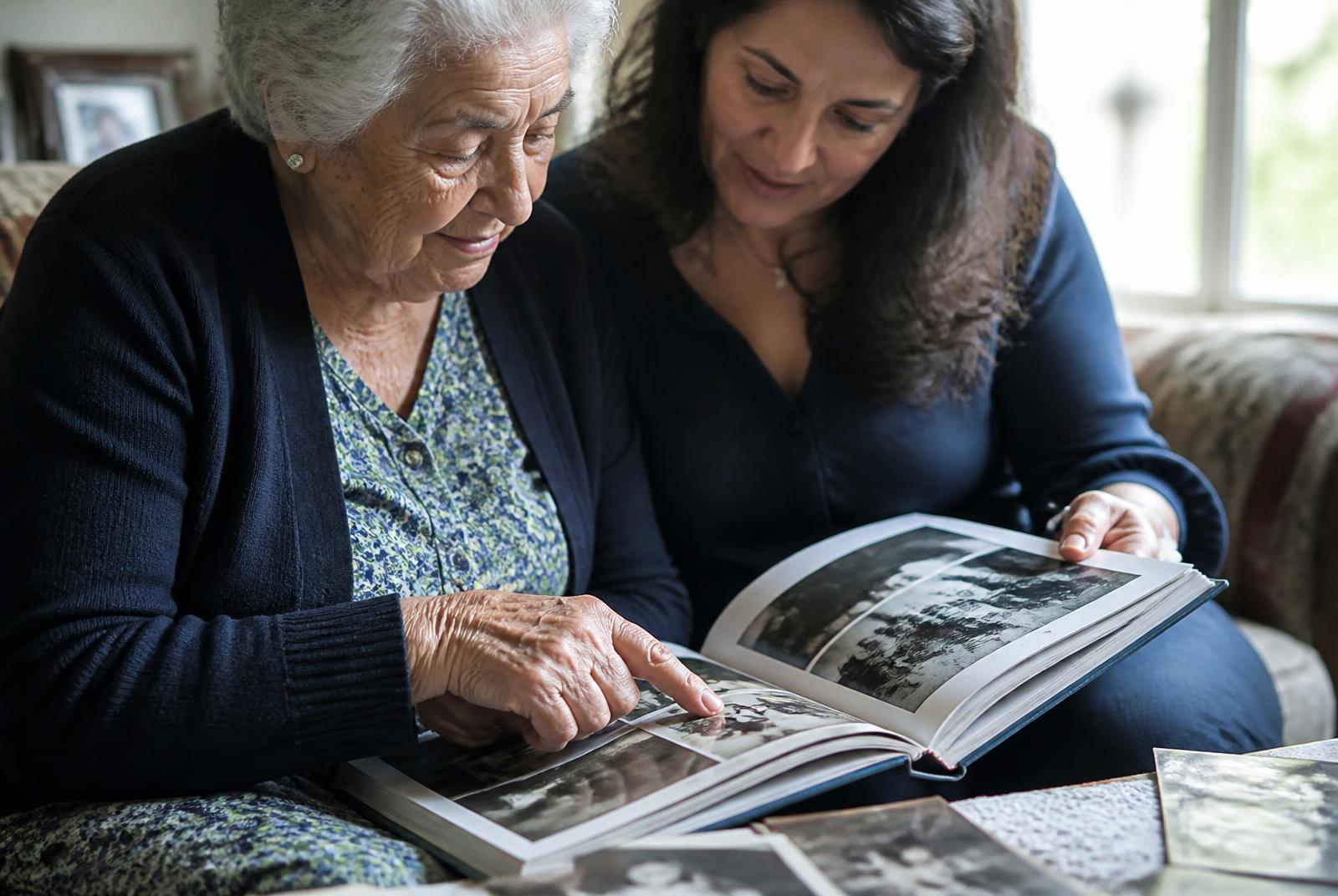
Preserving one's family story isn't just sentimental. Research on reminiscence and life-story sharing links it to real benefits for older adults, including better mood and a stronger sense of family connection.
A study published in the National Library of Medicine found that older adults who created and shared their own life stories experienced measurable social and emotional benefits. Another study published through the National Institutes of Health found that structured reminiscence exercises are often used to support psychological well-being in older adults.
The best family-story platform isn't necessarily the one with the most features. It's the one your parent or grandparent will actually finish.
Memowrite is built around making that process as effortless as possible. There's no weekly deadline, the team edits every answer for clarity, and the storyteller controls the pace from start to finish.
That combination is why it keeps showing up as the easiest entry point for families who tried Storyworth and stalled out, or who never started because a year-long commitment felt like too much to ask of a parent.
- 01Speak or type
- 02Answers are edited
- 03Add family photos
- 04Receive a finished printed memoir
Our Pick: Memowrite
For families who want the flexibility to work at their own pace, answer by typing or speaking, and receive editing help before the final book is printed, Memowrite offers the strongest overall balance of simplicity and flexibility among the Storyworth alternatives we compared.
- Self-paced
- Voice or written answers
- Editing included
- Printed family memoir
Explore the service directly to confirm current pricing and available plans.